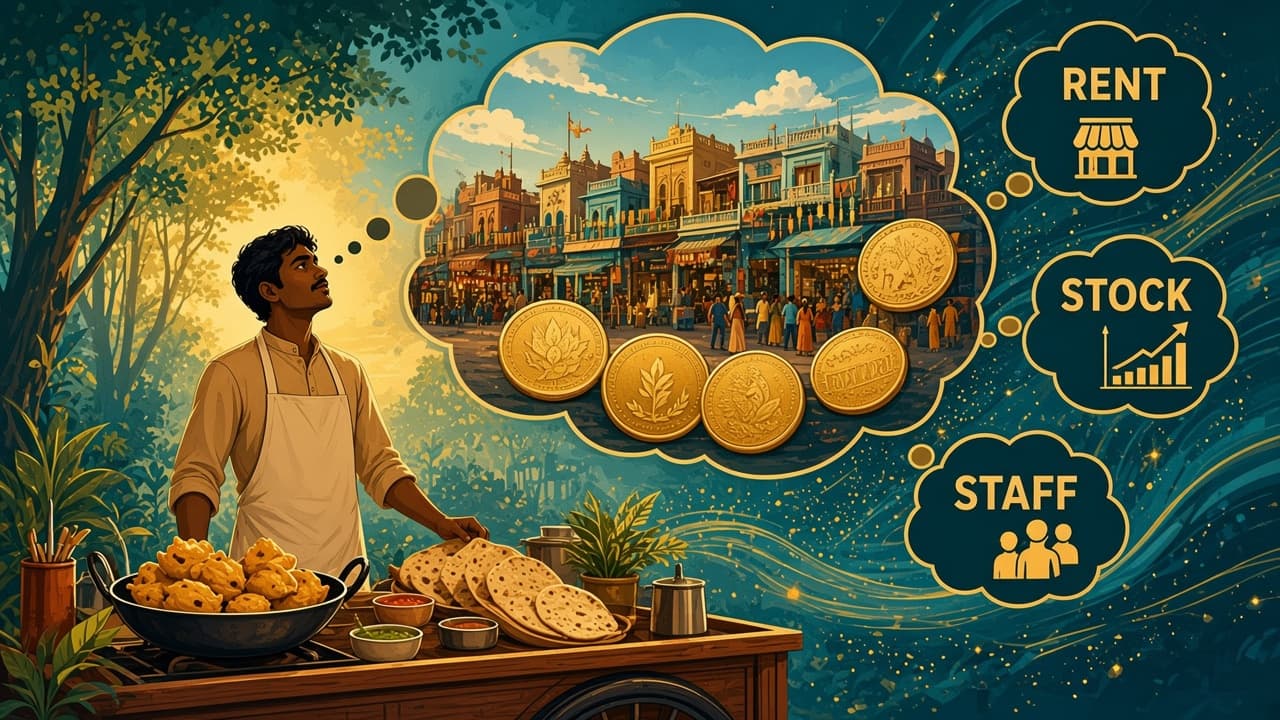
What Is a Share? Imagine Owning a Tiny Part of a Company!
FinBites Share Market Series Day 3. Through a dinner-table story about a chocolate business, learn what a share is — a unit of ownership in a company — and who a shareholder is.
What Is a Share? Imagine Owning a Tiny Part of a Company!
FinBites Share Market Series | Day 3
What if you could become a part-owner of a big company?
Imagine sitting at home, eating your favourite biscuits, when someone tells you that you could own a tiny part of the company that makes them.
Sounds surprising, doesn't it?
You don't have to start the company yourself. You don't have to run its factory. And you don't have to be a businessperson.
The idea begins with just one simple word: Share.
Let's understand it through a story that starts at an ordinary Indian family's dinner table.
☕ One Question That Started It All
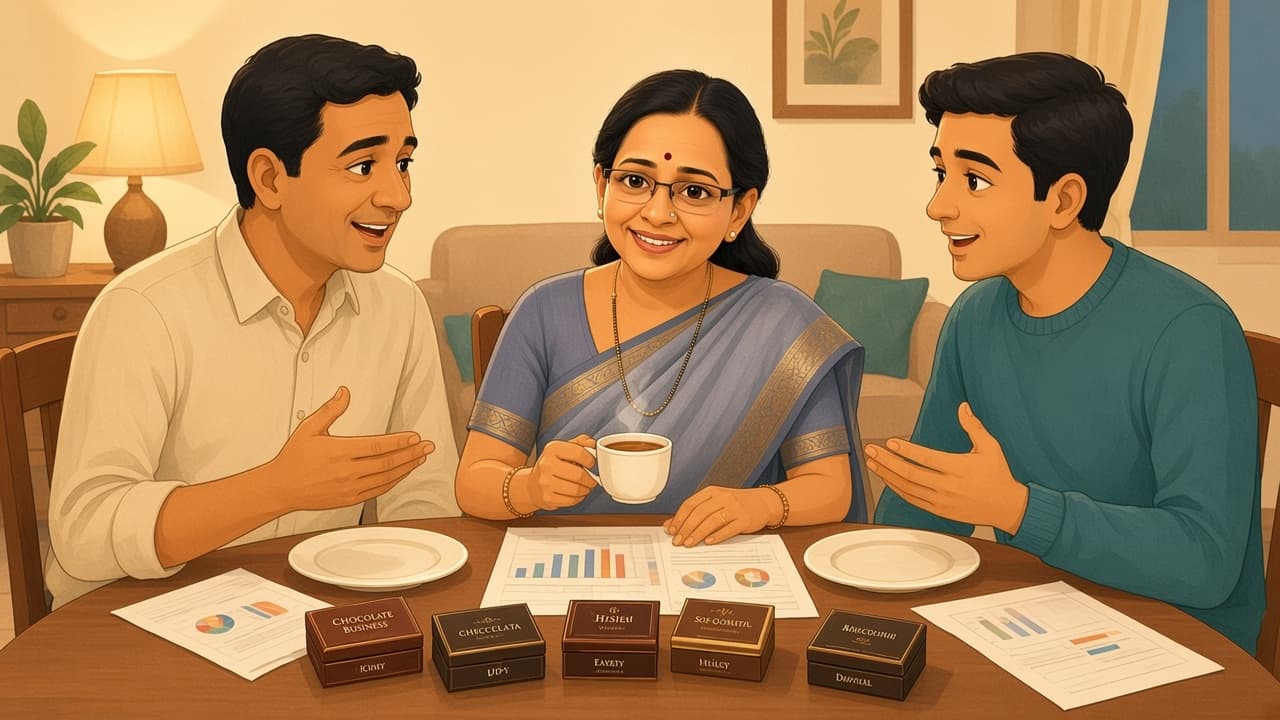
It was Sunday evening. The Deshmukh family had finished dinner, and Rohan was sitting with his father, enjoying a cup of tea.
Rohan had recently joined his first job. His first salary had arrived, and he was beginning to take a greater interest in money.
During lunch with his colleagues a few days earlier, he had heard them talking about shares.
He had nodded along at the time, but one question had stayed with him.
Rohan: “Papa, people keep saying they own shares in big companies. How can an ordinary person own a part of a big company?”
His father smiled.
Papa: “That's a very good question! Forget the stock market for a moment. Let's imagine you and your friends start a small business.”
🍫 Five Friends, One Chocolate Business
Imagine that Rohan and four of his friends decide to start a chocolate business.
All five contribute money to get the business started. They buy ingredients, arrange packaging and begin making chocolates.
They also agree that each friend will own an equal part of the business.
There are five owners, so each owns one-fifth of the business — that's 20% each.
Papa: “Rohan, if you own 20% of this business, does that mean you own a part of it?”
Rohan: “Of course, Papa! I helped start it, and we agreed that each of us owns an equal share.”
Papa: “Exactly! Now here's the important part. The ownership of a company can be divided into smaller units. Each unit is called a share.”
Rohan's eyes lit up.
Rohan: “So, a share is like one small piece of a company's ownership?”
Papa: “You've got it!”
And just like that, a confusing financial term began to make sense.
🏢 From a Small Business to a Big Company
Now imagine that the chocolate business grows.
More people start buying its chocolates. The business becomes well-known, and over time, it develops into a much larger company.
Instead of ownership being divided among just five people, the company may have millions of shares held by many different shareholders.
Let's take a simple example.
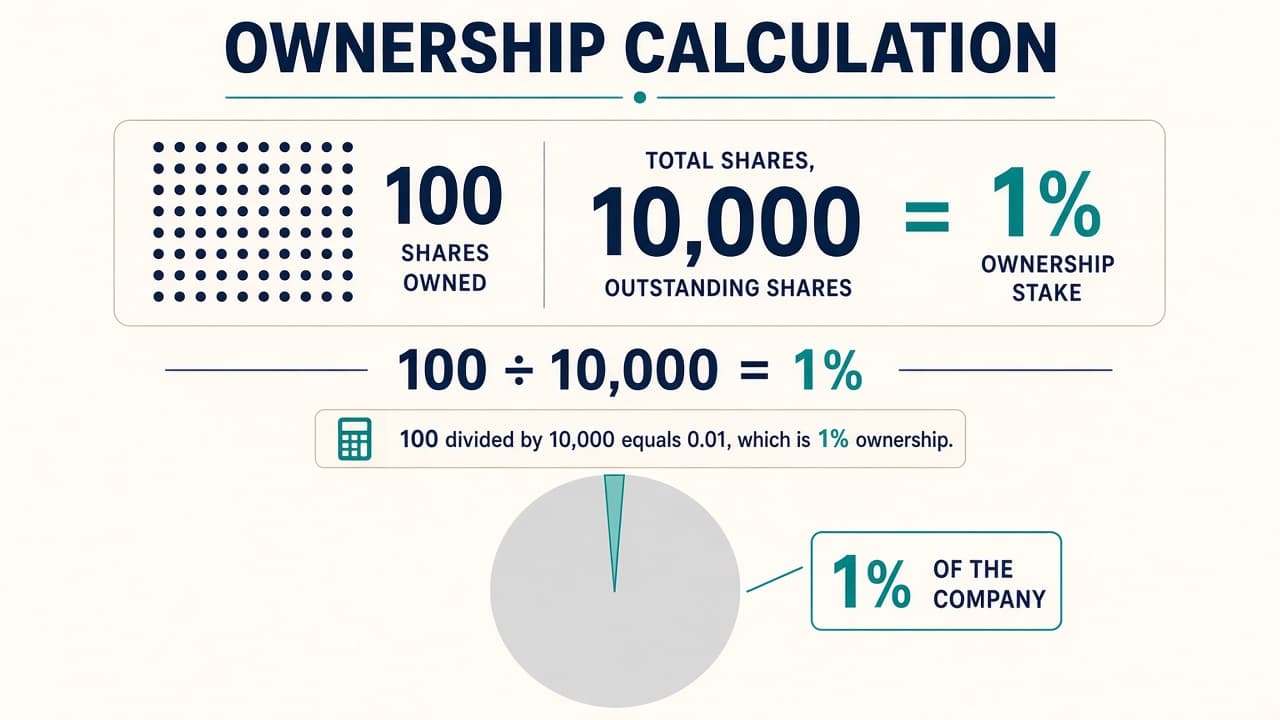
Imagine a company has issued 10,000 shares. You own 100 of them.
Your ownership, based on these figures, would be:
100 ÷ 10,000 = 1%
In this simplified example, you own 1% of the company's issued shares.
Of course, real companies can be much larger, with millions or billions of shares. An individual investor's ownership percentage may therefore be very small.
But remember the basic idea: a share represents a unit of ownership in a company.
And a person who owns shares in a company is called a shareholder.
🇮🇳 This Happens in India, Too!
Rohan: “Papa, is this how shares work in India?”
Papa: “Yes! Many Indian companies are listed on the stock market, and eligible investors can own shares in them.”
Think about the products you see around your home every day — biscuits, toothpaste, clothes and other household essentials.
Some of the companies behind these familiar products are listed companies.
It may seem surprising that a regular person can hold shares in a large, well-known business. But the concept of ownership isn't limited to the people who founded a company.
A company can have many shareholders, each owning a different number of shares.
Rohan: “So, owning a share means I'm not just looking at a company from the outside. I'm one of its owners, even if my part is tiny!”
Papa: “That's right. Now you've understood the most important starting point.”
💡 One Small Idea, A Big Step in Learning About Money
That evening, Rohan realised something important.
The share market was no longer just a collection of unfamiliar words and numbers. He had finally understood the meaning behind one of its most basic concepts.
A share wasn't simply a number displayed on a screen.
It represented ownership in a company.
And sometimes, understanding a big subject begins with one small idea.
See the ownership idea in 3 pictures
1 / 3
1. Five friends, equal parts
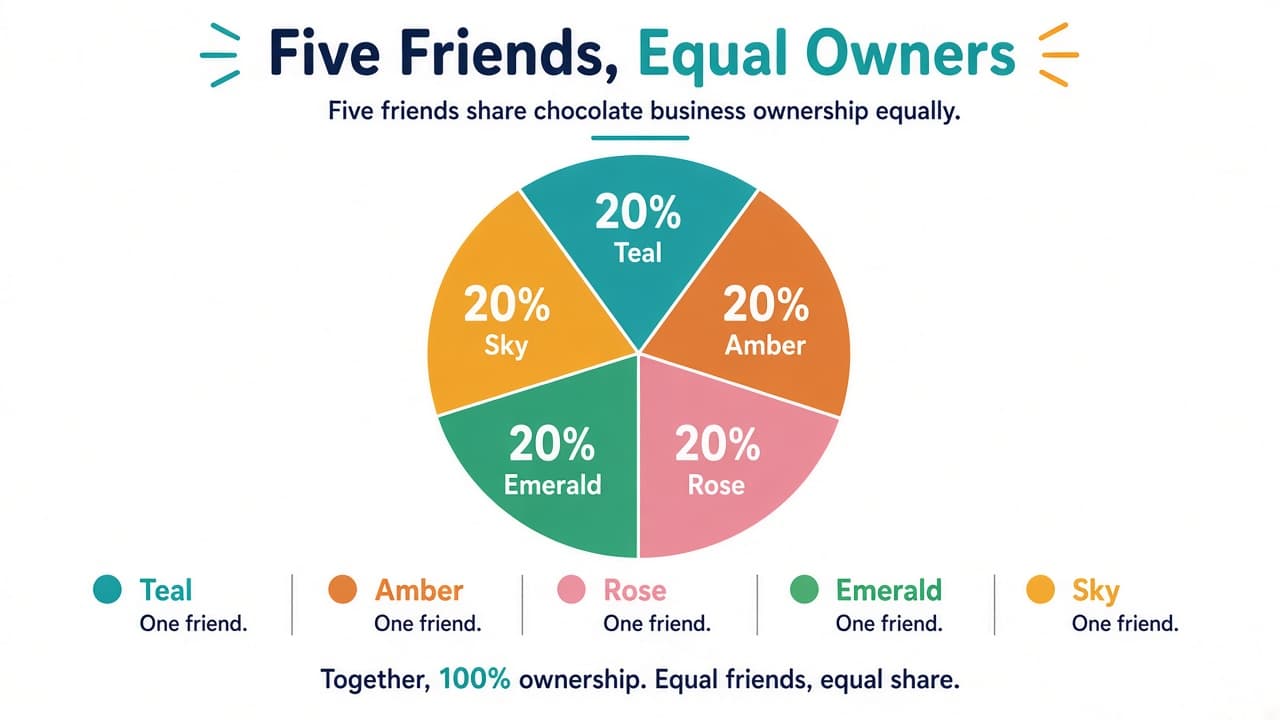
Five friends start a chocolate business. Equal owners → each holds 20%.

🌱 Today's FinBites Takeaway
A share is a unit of ownership in a company. A person who owns shares is called a shareholder.
You don't need to be an expert to start understanding money. Begin with the basics, ask questions and keep learning.
One bite at a time. One concept at a time. That's FinBites.
Coming up in Day 4: What Does Buying a Share Actually Mean?
Disclaimer: FinBites provides financial education for learning and awareness purposes only. This article is not personalised investment advice. Investing in shares involves risk.
शेअर म्हणजे काय? मोठ्या कंपनीचा छोटासा मालक होण्याची कल्पना करा!
FinBites शेअर मार्केट सिरीज | दिवस ३
तुम्ही एखाद्या मोठ्या कंपनीचे छोटेसे मालक होऊ शकता, असं सांगितलं तर?
समजा, तुम्ही घरी बसून तुमचे आवडते बिस्किट खात आहात. तेवढ्यात तुम्हाला कुणीतरी सांगितलं, की ज्या कंपनीने हे बिस्किट बनवलं आहे, त्या कंपनीचे तुम्हीसुद्धा थोडेसे मालक होऊ शकता!
काय? आश्चर्य वाटलं ना?
यासाठी तुम्हाला स्वतःची कंपनी सुरू करायची गरज नाही. कारखाना चालवायची गरज नाही. किंवा मोठे व्यावसायिक असण्याचीही गरज नाही.
या सगळ्याची सुरुवात होते एका छोट्याशा शब्दापासून — शेअर!
चला, एका साध्या भारतीय कुटुंबाच्या गोष्टीतून हे समजून घेऊया.
☕ एका प्रश्नातून झाली सुरुवात!
रविवारची संध्याकाळ होती. देशमुख कुटुंबाचं जेवण झालं होतं. रोहन आपल्या बाबांसोबत चहा पीत बसला होता.
रोहनने नुकतीच पहिली नोकरी सुरू केली होती. पहिला पगारही खात्यात जमा झाला होता. आता स्वतःच्या पैशांबद्दल त्याला अधिक जाणून घ्यायचं होतं.
काही दिवसांपूर्वी ऑफिसमध्ये त्याने सहकाऱ्यांना शेअर्सबद्दल बोलताना ऐकलं होतं.
त्यावेळी त्याने फक्त ऐकून घेतलं, पण एक प्रश्न त्याच्या मनात राहिला होता.
रोहन: “बाबा, लोक म्हणतात ना, की आम्ही मोठ्या कंपनीचे शेअर्स घेतले आहेत. पण आपण एका मोठ्या कंपनीचे मालक कसे काय होऊ शकतो?”
बाबा हसले.
बाबा: “छान प्रश्न आहे! चल, आधी शेअर मार्केट बाजूला ठेवूया. समज, तू आणि तुझे चार मित्र मिळून एक छोटासा व्यवसाय सुरू करता.”
🍫 पाच मित्र आणि एक चॉकलेटचा व्यवसाय
समजा, रोहन आणि त्याचे चार मित्र मिळून चॉकलेट बनवण्याचा व्यवसाय सुरू करतात.
सगळे मिळून पैसे जमा करतात. चॉकलेट बनवण्यासाठी लागणारे साहित्य घेतात, पॅकिंगची व्यवस्था करतात आणि चॉकलेट विकायला सुरुवात करतात.
व्यवसाय सुरू करतानाच पाचही जण ठरवतात, की या व्यवसायात प्रत्येकाचा समान वाटा असेल.
म्हणजे पाच जण आहेत, तर प्रत्येकाचा वाटा २० टक्के!
बाबा: “रोहन, समजा तू या व्यवसायाचा २० टक्के मालक आहेस. तर तुला त्या व्यवसायात मालकी आहे, असं म्हणता येईल ना?”
रोहन: “हो बाबा! मीसुद्धा पैसे दिले आहेत आणि माझा त्यात वाटा आहे.”
बाबा: “बरोबर! आता एक महत्त्वाची गोष्ट समजून घे. एखाद्या कंपनीची मालकी अनेक छोट्या भागांमध्ये विभागलेली असू शकते. अशा प्रत्येक भागाला शेअर म्हणतात.”
रोहनला लगेच गोष्ट समजायला लागली.
रोहन: “म्हणजे शेअर म्हणजे कंपनीच्या मालकीचा एक छोटासा भाग!”
बाबा: “अगदी बरोबर!”
आत्तापर्यंत अवघड वाटणारा एक शब्द रोहनला आता सहज समजला होता.
🏢 छोट्या व्यवसायाचं मोठ्या कंपनीत रूपांतर झालं तर?
आता कल्पना कर, की त्या चॉकलेटच्या व्यवसायाला खूप चांगला प्रतिसाद मिळतो.
लोकांना चॉकलेट आवडू लागतं. विक्री वाढते आणि हळूहळू व्यवसाय मोठा होतो. पुढे त्याचं एका मोठ्या कंपनीत रूपांतर होतं.
आता त्या कंपनीची मालकी फक्त पाच मित्रांपुरती मर्यादित असेलच असं नाही. कंपनीचे लाखो शेअर्स असू शकतात आणि ते अनेक लोकांकडे असू शकतात.
चला, एक सोपं उदाहरण पाहूया.
समजा, एका कंपनीचे एकूण १०,००० शेअर्स आहेत. त्यापैकी तुमच्याकडे १०० शेअर्स आहेत.
म्हणजे तुमच्याकडे कंपनीच्या एकूण शेअर्सपैकी किती टक्के शेअर्स आहेत?
१०० ÷ १०,००० = १ टक्का
म्हणजे या उदाहरणात तुमच्याकडे कंपनीच्या एकूण शेअर्सपैकी १ टक्का शेअर्स आहेत.
खऱ्या आयुष्यात मोठ्या कंपन्यांचे लाखो किंवा कोट्यवधी शेअर्स असू शकतात. त्यामुळे एखाद्या व्यक्तीकडे काही शेअर्स असतील, तर कंपनीतील तिचा मालकीचा वाटा खूपच छोटा असू शकतो.
पण मुख्य गोष्ट लक्षात ठेवा:
शेअर म्हणजे कंपनीच्या मालकीचा एक भाग.
आणि ज्या व्यक्तीकडे कंपनीचे शेअर्स असतात, तिला शेअरहोल्डर, म्हणजेच कंपनीचा भागधारक म्हणतात.
🇮🇳 भारतातही असं होतं का?
रोहन: “बाबा, हे फक्त उदाहरणातच होतं की भारतातसुद्धा असंच असतं?”
बाबा: “अरे, भारतातसुद्धा असंच होतं! अनेक भारतीय कंपन्या शेअर मार्केटमध्ये लिस्टेड आहेत. अशा कंपन्यांचे शेअर्स पात्र गुंतवणूकदार घेऊ शकतात.”
जरा आपल्या घराकडेच बघा.
आपण रोज बिस्किटं, टूथपेस्ट, कपडे आणि इतर अनेक वस्तू वापरतो. यापैकी काही वस्तू बनवणाऱ्या कंपन्या शेअर मार्केटमध्ये लिस्टेड आहेत.
म्हणजे एखाद्या मोठ्या कंपनीचे संस्थापकच तिचे मालक असतात, असं नाही. त्या कंपनीचे अनेक भागधारक असू शकतात. प्रत्येकाकडे किती शेअर्स आहेत, त्यानुसार त्यांचा मालकीचा वाटा वेगवेगळा असू शकतो.
रोहन: “अरे वा! म्हणजे एखाद्या कंपनीचे शेअर्स माझ्याकडे असतील, तर मीसुद्धा त्या कंपनीचा एक छोटासा मालक असतो!”
बाबा: “हो! शेअर म्हणजे काय, हे समजून घेण्यासाठी हीच सगळ्यात महत्त्वाची गोष्ट आहे.”
💡 पैशांबद्दल शिकताना एक छोटी पण महत्त्वाची गोष्ट!
त्या संध्याकाळी रोहनला एक गोष्ट समजली.
शेअर मार्केट म्हणजे फक्त स्क्रीनवर दिसणारे आकडे किंवा वर-खाली होणाऱ्या किमती नाहीत. त्यामागे एका कंपनीतील मालकीची संकल्पना आहे.
शेअर म्हणजे कंपनीच्या मालकीचा एक भाग!
आणि एखादा मोठा विषय समजून घेण्याची सुरुवात अशाच एका छोट्या गोष्टीपासून होऊ शकते.
मालकीची कल्पना ३ चित्रांत पाहा
1 / 3
१. पाच मित्र, समान वाटा
पाच मित्र चॉकलेट व्यवसाय सुरू करतात. समान मालक → प्रत्येकाचा वाटा २० टक्के.
🌱 आजचा FinBites शिकवणारा मुद्दा
शेअर म्हणजे कंपनीच्या मालकीचा एक भाग. ज्या व्यक्तीकडे कंपनीचे शेअर्स असतात, तिला शेअरहोल्डर किंवा भागधारक म्हणतात.
पैशांबद्दल शिकण्यासाठी तज्ज्ञ असण्याची गरज नाही. मूलभूत गोष्टी समजून घ्या, प्रश्न विचारा आणि हळूहळू शिकत राहा.
FinBites सोबत शिका, एका छोट्या बाईटमधून — एका वेळी एक संकल्पना!
पुढील भाग — दिवस ४: शेअर खरेदी करणं म्हणजे नेमकं काय?
महत्त्वाची सूचना: FinBites वर दिलेली माहिती केवळ आर्थिक शिक्षण आणि जनजागृतीसाठी आहे. ती वैयक्तिक गुंतवणुकीचा सल्ला नाही. शेअर्समध्ये गुंतवणूक करताना जोखीम असते.
Found this useful?
Forward it to one person who needs it today — a parent, a friend, a colleague.
© FinBites.org · Educational use only · Do not republish without permission. Terms of Service