One Unexpected Phone Call… Could Aai’s Savings Protect Her Family? | Health & Term Insurance
Navaratri Day 4. Aai has started saving, building an emergency cushion, and learning about SIPs — then one question about hospital bills and family support opens Health Insurance and Term Insurance, in plain words.

By FinBites Editorial · Navratri Shakti — Day 4
Everything was going according to Aai’s plan… until one phone call changed the evening.
Aai had been learning something new every day.
She had started saving for her family. She had kept some money aside for emergencies. She had even learned how a small monthly investment through SIP could help her plan for her daughter’s future.
Read Day 1: From Kitchen Savings to True Wealth · Read Day 2: Aai’s Little Savings, A Family’s Big Security · Read Day 3: ₹1,000 a Month — Understanding SIPs
She felt happy. Slowly, she was building a better financial future for her family.
Then, one evening, her daughter asked a question that made Aai stop and think.
“Aai, we are saving for our future. But what if a big hospital bill comes tomorrow? And what if you or Baba cannot be there to support our family?”
Aai had no immediate answer.
She had been thinking about how to save money and how to grow it. But she had not thought enough about how to protect everything her family was building.
That evening, Aai discovered two important words: Health Insurance and Term Insurance.
Let’s understand why they matter.
Saving money is important. But is saving enough?
Think about a family that saves ₹1,000 every month.
Over time, those small amounts can become useful savings. As we learned on Day 2, an emergency fund can help a family manage unexpected expenses.
Read Day 2: Understanding Emergency Funds
But imagine a hospital bill of several lakhs of rupees.
The family may have to use its emergency savings, withdraw investments meant for a child’s education, or borrow money.
Years of careful planning could be affected by one unexpected expense.
This is where insurance can help protect a family’s financial plans.
Insurance is a way of preparing for certain risks. You pay a premium to an insurance company, and in return, the company provides financial protection according to the policy’s terms and conditions.
Insurance does not prevent difficult situations from happening. But the right cover can help reduce their financial impact.
And Aai learns that two different kinds of insurance can protect her family in two different ways.

Day 4 idea
Building a financial future is not only about saving more or growing money. It is also about protecting the family from financial risks.
1. Health Insurance: When hospital bills should not decide your future
Imagine Aai’s husband needs hospital treatment.
The family’s first concern is his health. They want him to get the care he needs.
But there is another worry: how will they pay the hospital bill?
Even a family that saves regularly may find a large medical expense difficult to manage.
Health insurance helps cover eligible medical expenses, according to the policy.
Depending on the policy, it may cover hospitalisation, certain medical procedures and other specified expenses.
For example, if a family has a health insurance policy with a ₹5 lakh sum insured, the policy may cover eligible medical expenses up to the applicable limit, subject to its terms, exclusions and conditions.
This does not mean every hospital bill will automatically be paid in full. Waiting periods, exclusions, room limits, co-payments and other conditions may affect the amount covered.
That is why it is important to understand a policy before buying it.
Why is health insurance important?
- It can reduce the burden of large medical bills.
- It can help protect savings meant for education, retirement and other family goals.
- It can reduce the need to borrow money for eligible medical expenses.
Aai understands something important: her emergency fund and health insurance have different roles.
Her emergency fund gives her money she can access when needed. Health insurance can help cover eligible medical expenses under the policy.
One helps her keep money ready. The other helps protect her finances against certain medical costs.
Both can play an important role in financial planning.

2. Term Insurance: If the person supporting the family is no longer there
Now Aai thinks about a different question.
What if the person earning for the family passes away unexpectedly?
The family would not only face an emotional loss. It might also lose the income that pays for everyday expenses, school fees, rent, loan repayments and future goals.
Who would support those plans?
This is where term life insurance becomes important.
Term insurance is a type of life insurance that provides financial protection for a chosen period.
If the insured person passes away during the policy term and the claim meets the policy conditions, the nominee can receive the policy's death benefit.
For example, imagine a family has a term insurance policy with a ₹50 lakh cover.
If the insured person passes away during the covered period and the claim is payable, the nominee may receive ₹50 lakh, subject to the policy terms.
This money can help the family manage everyday expenses, children's education, outstanding loans and other financial needs.
The amount of cover should be considered carefully based on the family's needs, income, liabilities and future responsibilities.
Why is term insurance important?
- It can provide financial support to dependants if the insured person passes away.
- It can help the family continue working towards important goals.
- It can reduce the financial pressure on the surviving family members.
Term insurance is especially relevant when someone depends on your income or when you have financial responsibilities towards others.
If nobody depends on your income, your insurance needs may be different.
One important point: a standard term insurance policy generally provides a death benefit and does not return money at the end of the term if the insured person survives, unless the policy specifically provides otherwise.
Its main purpose is protection, not investment.

Health Insurance vs Term Insurance: What is the difference?
The names may sound similar, but their purposes are different.
| Health Insurance | Term Insurance |
|---|---|
| Helps cover eligible medical expenses | Provides financial support to the nominee if the insured person passes away during the policy term and the claim is payable |
| Protects against certain healthcare costs | Helps protect dependants from the financial impact of losing the insured person's income |
| Useful for managing covered medical expenses | Important when family members depend on your income |
Health insurance protects your finances against eligible medical costs. Term insurance helps protect your family financially if your life is lost.
They serve different purposes, so one does not replace the other.

Two covers — swipe the difference
1 / 3
Health insurance
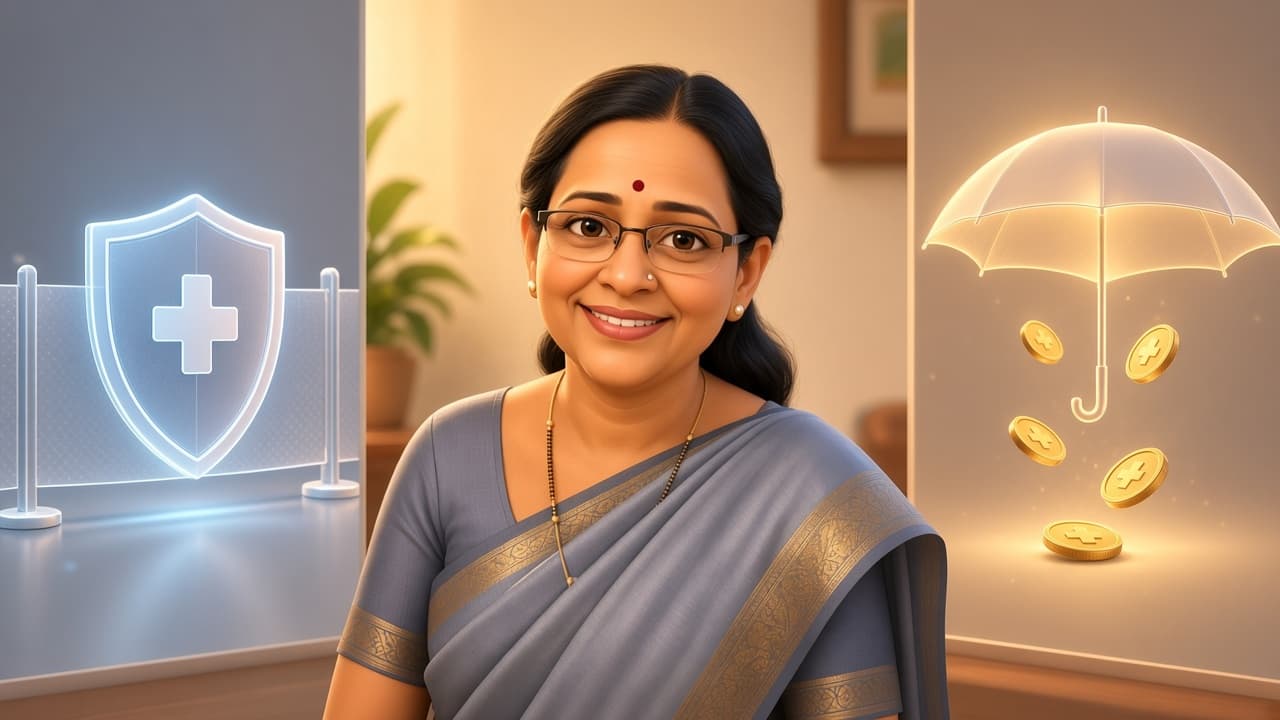
Helps cover eligible medical expenses, according to the policy.
Protects against certain healthcare costs. Useful for managing covered medical expenses.

Does every family need to think about both?
Insurance needs can differ from family to family, but every family can benefit from understanding these two forms of protection.
A young person who has just started earning may have different needs from a parent supporting children or an older person planning retirement.
A homemaker's contribution also matters. Even if she does not earn a salary, her work supports the entire household. If she needs hospital treatment, the family may face medical expenses and additional costs for childcare or household help.
So financial protection is not only about the person earning the highest salary. It is about understanding the risks and responsibilities of the whole family.
Before choosing insurance, consider:
- Who depends on the family's income?
- What medical expenses could affect the family's savings?
- What loans and future responsibilities need to be considered?
- What cover is already available through an employer or existing policy?
- What can the family afford to pay in premiums over time?
Also, compare policy terms, exclusions, waiting periods, claim conditions and the insurer's service record before making a decision.
There is no single policy or cover amount that suits every family.
Before you choose — five calm questions
1 / 5
Who depends on income?

Who depends on the family's income?
Aai’s lesson for Day 4
Remember Aai's journey?
On Day 1, she began understanding the importance of saving.
On Day 2, she learned to keep money aside for emergencies.
On Day 3, she discovered how SIPs can help her invest regularly towards long-term goals, while understanding that investment returns are not guaranteed.
Today, she learns one more important lesson.
Building a financial future is not only about saving more or growing money. It is also about protecting the family from financial risks.
Savings can help with planned and unexpected expenses. Investments can offer the opportunity to grow money over time. Health and term insurance can provide protection against specific risks, according to their policy terms.
Aai smiles. Now she knows that planning for the future means thinking about both growth and protection.
And the question she asks herself is no longer just, “How much can I save?”
It is also:
“How can I protect the future I am working so hard to build?”
🌺 Navratri Shakti — Day 4
Save with care. Invest with understanding. Protect what matters.
FinBites — Money clarity in under 2 minutes.
नवरात्री शक्ती — दिवस ४ | FinBites
आई आपल्या कुटुंबाचं भविष्य घडवत होती… पण एका प्रश्नाने तिला विचार करायला भाग पाडलं!
आईने आता पैशांबद्दल शिकायला सुरुवात केली होती.
ती दर महिन्याला थोडी बचत करत होती. अचानक काही गरज पडली, तर उपयोगी पडावेत म्हणून पैसे बाजूला ठेवत होती. एवढंच नाही, तर मुलीच्या भविष्यासाठी SIP मधून नियमित गुंतवणूक कशी करता येते, हेही तिला समजलं होतं.
दिवस १ वाचा · दिवस २ वाचा · दिवस ३ वाचा
आईला आनंद वाटत होता. हळूहळू का होईना, पण ती आपल्या कुटुंबाचं भविष्य अधिक चांगलं बनवण्यासाठी प्रयत्न करत होती.
पण एक दिवस संध्याकाळी मुलीने तिला असा प्रश्न विचारला, की आई क्षणभर शांत झाली.
“आई, आपण भविष्यासाठी पैसे साठवत आहोत. पण उद्या अचानक हॉस्पिटलचा मोठा खर्च आला तर? आणि समजा, तू किंवा बाबा आमच्यासोबत नसाल, तर आमचं काय होईल?”
आईकडे या प्रश्नाचं लगेच उत्तर नव्हतं.
आतापर्यंत ती पैसे कसे वाचवायचे आणि ते कसे वाढवायचे, याचा विचार करत होती. पण आपण एवढ्या मेहनतीने उभं करत असलेलं आर्थिक भविष्य सुरक्षित कसं ठेवायचं, याचा पुरेसा विचार तिने केला नव्हता.
त्या दिवशी आईला दोन महत्त्वाच्या गोष्टी समजल्या — Health Insurance आणि Term Insurance.
चला, अगदी सोप्या भाषेत समजून घेऊया की हे दोन्ही विमे आपल्या कुटुंबासाठी का महत्त्वाचे आहेत.
बचत तर करतोय… पण मोठं हॉस्पिटलचं बिल आलं तर?
समजा, एका कुटुंबाने दर महिन्याला थोडे पैसे वाचवण्याची सवय लावली आहे.
काही वर्षांत ही छोटी बचत चांगली रक्कम बनू शकते. दिवस २ मध्ये आपण पाहिलं की अचानक खर्च आला, तर आपत्कालीन निधी कसा उपयोगी पडू शकतो.
दिवस २ वाचा: Emergency Fund समजून घ्या
पण समजा, अचानक हॉस्पिटलचा काही लाख रुपयांचा खर्च आला तर?
कुटुंबाला आपली सगळी बचत वापरावी लागू शकते. मुलांच्या शिक्षणासाठी ठेवलेले पैसे काढावे लागू शकतात किंवा कर्जही घ्यावं लागू शकतं.
वर्षानुवर्षं केलेलं आर्थिक नियोजन एका अनपेक्षित खर्चामुळे बिघडू शकतं.
अशा वेळी विमा कुटुंबाच्या आर्थिक नियोजनाला आधार देऊ शकतो.
विमा म्हणजे भविष्यात उद्भवू शकणाऱ्या काही जोखमींसाठी आधीच केलेली तयारी.
आपण विमा कंपनीला ठरावीक रक्कम भरतो. त्याला Premium म्हणजेच विम्याचा हप्ता म्हणतात. त्याबदल्यात विम्याच्या अटींनुसार ठरावीक आर्थिक संरक्षण मिळतं.
विमा घेतल्याने अडचणी येणारच नाहीत, असं नाही. पण योग्य विमा असेल, तर काही अडचणींमुळे होणारं आर्थिक नुकसान कमी करण्यास मदत होऊ शकते.
आईला आता समजतं की कुटुंबाचं आर्थिक संरक्षण करण्यासाठी दोन वेगवेगळ्या प्रकारचे विमे महत्त्वाचे ठरू शकतात.
दिवस ४
आर्थिक भविष्य घडवणं म्हणजे फक्त पैसे वाचवणं किंवा वाढवणं नाही. संरक्षणही तितकंच महत्त्वाचं आहे.
१. Health Insurance: हॉस्पिटलचा खर्च आला, तरी बचतीला मोठा धक्का बसू नये!
समजा, आईच्या नवऱ्याला हॉस्पिटलमध्ये उपचार घ्यावे लागतात.
सर्वात आधी कुटुंबाला त्यांची तब्येत लवकर सुधारावी, हीच काळजी असते. त्यांना चांगले उपचार मिळावेत, असं सगळ्यांनाच वाटतं.
पण त्याच वेळी मनात आणखी एक प्रश्न येतो — हॉस्पिटलचं बिल कसं भरायचं?
नियमित बचत करणाऱ्या कुटुंबालाही अचानक आलेला मोठा वैद्यकीय खर्च पेलणं कठीण जाऊ शकतं.
Health Insurance म्हणजे आरोग्य विमा. पॉलिसीच्या अटींनुसार, तो पात्र वैद्यकीय खर्चाचा काही भाग किंवा संपूर्ण पात्र खर्च कव्हर करू शकतो.
पॉलिसीनुसार हॉस्पिटलमध्ये दाखल होण्याचा खर्च, काही वैद्यकीय प्रक्रिया आणि इतर ठरावीक खर्च कव्हर होऊ शकतात.
उदाहरणार्थ, एखाद्या कुटुंबाकडे ₹५ लाखांचा आरोग्य विमा आहे.
पॉलिसीच्या अटींनुसार पात्र वैद्यकीय खर्च या मर्यादेपर्यंत कव्हर होऊ शकतो. मात्र, हॉस्पिटलचं प्रत्येक बिल पूर्णपणे भरलं जाईलच, असं नाही.
काही पॉलिसींमध्ये ठरावीक आजारांसाठी प्रतीक्षा कालावधी (Waiting Period), काही खर्चांसाठी मर्यादा, स्वतः भरावा लागणारा खर्च (Co-payment) किंवा इतर अटी असू शकतात.
म्हणूनच विमा घेण्याआधी त्यातील अटी नीट समजून घेणं महत्त्वाचं आहे.
आरोग्य विमा का महत्त्वाचा आहे?
- मोठ्या हॉस्पिटलच्या बिलाचा आर्थिक भार कमी करण्यास मदत होऊ शकते.
- मुलांचं शिक्षण, घर किंवा निवृत्तीसाठी बाजूला ठेवलेली बचत वापरण्याची वेळ टाळण्यास मदत होऊ शकते.
- पात्र वैद्यकीय खर्चासाठी कर्ज घेण्याची गरज कमी होऊ शकते.
आईला आणखी एक महत्त्वाची गोष्ट समजते.
आपत्कालीन निधी आणि आरोग्य विमा या दोन्हींचं काम वेगवेगळं आहे.
आपत्कालीन निधी म्हणजे गरज पडल्यावर वापरता येतील असे स्वतःचे पैसे. तर आरोग्य विमा पॉलिसीच्या अटींनुसार पात्र वैद्यकीय खर्चाचा भार कमी करण्यास मदत करतो.
एकामध्ये आपण गरजेच्या वेळी वापरण्यासाठी पैसे तयार ठेवतो. दुसऱ्यामध्ये काही वैद्यकीय खर्चांपासून आर्थिक संरक्षण मिळवतो.
कुटुंबाच्या आर्थिक नियोजनात या दोन्ही गोष्टी महत्त्वाच्या ठरू शकतात.
२. Term Insurance: घरातील कमावणारी व्यक्ती नसेल, तर कुटुंबाचं काय?
आता आई आणखी एका गोष्टीचा विचार करते.
समजा, कुटुंबासाठी पैसे कमावणाऱ्या व्यक्तीचं अचानक निधन झालं, तर?
कुटुंबाला होणारं दुःख शब्दांत सांगता येणार नाही. पण या भावनिक धक्क्यासोबतच घर चालवण्यासाठी लागणाऱ्या पैशांचाही प्रश्न उभा राहू शकतो.
घरखर्च, मुलांची शाळा, घराचं कर्ज आणि भविष्यातील स्वप्नं — हे सगळं कसं पूर्ण होणार?
आतापर्यंत कुटुंबाला आर्थिक आधार देणारी व्यक्तीच नसेल, तर पुढे काय?
अशा वेळी Term Insurance म्हणजे मुदत जीवन विमा कुटुंबाला आर्थिक आधार देऊ शकतो.
Term Insurance हा ठरावीक कालावधीसाठी घेतला जाणारा जीवन विमा आहे.
विमाधारक व्यक्तीचा पॉलिसीचा कालावधी सुरू असताना मृत्यू झाला आणि दावा पॉलिसीच्या अटींनुसार मंजूर झाला, तर नॉमिनीला म्हणजेच पॉलिसीत नामनिर्देशित केलेल्या व्यक्तीला विम्याची ठरलेली रक्कम मिळू शकते.
उदाहरणार्थ, एखाद्या व्यक्तीने ₹५० लाखांचा Term Insurance घेतला आहे.
त्या व्यक्तीचा विम्याचा कालावधी सुरू असताना मृत्यू झाला आणि दावा मंजूर झाला, तर पॉलिसीच्या अटींनुसार नॉमिनीला ₹५० लाख मिळू शकतात.
या पैशांचा उपयोग कुटुंबाला घरखर्च चालवण्यासाठी, मुलांच्या शिक्षणासाठी, कर्ज फेडण्यासाठी आणि इतर आर्थिक जबाबदाऱ्या पूर्ण करण्यासाठी होऊ शकतो.
मात्र, किती विमा घ्यावा, हे ठरवताना कुटुंबाचा खर्च, उत्पन्न, कर्ज, भविष्यातील जबाबदाऱ्या आणि इतर उपलब्ध आर्थिक साधनांचा विचार करणं महत्त्वाचं आहे.
Term Insurance का महत्त्वाचा आहे?
- विमाधारक व्यक्तीचं निधन झाल्यास, तिच्यावर आर्थिकदृष्ट्या अवलंबून असलेल्या कुटुंबाला आधार मिळू शकतो.
- मुलांचं शिक्षण आणि इतर महत्त्वाची स्वप्नं पूर्ण करण्यासाठी मदत होऊ शकते.
- कुटुंबातील इतर सदस्यांवरील आर्थिक ताण कमी होऊ शकतो.
विशेषतः तुमच्या उत्पन्नावर घरातील इतर सदस्य अवलंबून असतील किंवा तुमच्यावर कुटुंबाच्या आर्थिक जबाबदाऱ्या असतील, तर Term Insurance चा विचार करणं महत्त्वाचं ठरू शकतं.
घरातील कोणाचंही उत्पन्न तुमच्यावर अवलंबून नसेल, तर तुमच्या विम्याच्या गरजा वेगळ्या असू शकतात.
एक गोष्ट लक्षात ठेवा: सामान्य Term Insurance पॉलिसीचा मुख्य उद्देश विमाधारकाच्या मृत्यूनंतर आर्थिक संरक्षण देणं हा असतो. विम्याचा कालावधी संपेपर्यंत विमाधारक जिवंत असल्यास, विशेष परतावा देणारी अट नसलेल्या पॉलिसीमध्ये भरलेले हप्ते परत मिळत नाहीत.
Term Insurance हा मुख्यतः आर्थिक संरक्षणासाठी असतो, गुंतवणुकीसाठी नाही.
Health Insurance आणि Term Insurance यात नेमका फरक काय?
दोन्ही विमे कुटुंबाच्या आर्थिक सुरक्षिततेसाठी महत्त्वाचे आहेत. पण त्यांचं काम वेगवेगळं आहे.
| Health Insurance | Term Insurance |
|---|---|
| पात्र वैद्यकीय खर्च कव्हर करण्यास मदत करतो. | विमाधारकाचा पॉलिसीच्या कालावधीत मृत्यू झाल्यास, दावा मंजूर झाल्यावर नॉमिनीला आर्थिक मदत मिळू शकते. |
| हॉस्पिटल आणि उपचारांच्या खर्चाचा भार कमी करण्यासाठी उपयोगी. | कुटुंबाला कमावणाऱ्या व्यक्तीच्या उत्पन्नाची उणीव भरून काढण्यासाठी आर्थिक आधार देऊ शकतो. |
| आरोग्याशी संबंधित काही खर्चांपासून संरक्षण. | विमाधारकाच्या मृत्यूनंतर कुटुंबाच्या आर्थिक भविष्याचं संरक्षण. |
Health Insurance वैद्यकीय खर्चांपासून आर्थिक संरक्षण देतो, तर Term Insurance विमाधारकाच्या मृत्यूनंतर कुटुंबाला आर्थिक आधार देतो.
दोन्हींची गरज वेगवेगळी असू शकते. त्यामुळे एक विमा घेतल्याने दुसऱ्याची गरज संपत नाही.
दोन विमे — फरक स्वाइप करा
1 / 3
Health Insurance
पात्र वैद्यकीय खर्च कव्हर करण्यास मदत करतो.
हॉस्पिटल आणि उपचारांच्या खर्चाचा भार कमी करण्यासाठी उपयोगी. आरोग्याशी संबंधित काही खर्चांपासून संरक्षण.
प्रत्येक कुटुंबाने या दोन्ही विम्यांचा विचार करावा का?
प्रत्येक कुटुंबाची परिस्थिती वेगळी असते. पण या दोन्ही विम्यांबद्दल माहिती असणं प्रत्येकासाठी उपयोगाचं आहे.
नोकरीला नुकतीच सुरुवात केलेल्या तरुणाच्या गरजा वेगळ्या असू शकतात. मुलं असलेल्या पालकांच्या जबाबदाऱ्या वेगळ्या असतात. तर निवृत्तीच्या जवळ असलेल्या व्यक्तीचं नियोजन वेगळं असू शकतं.
आणखी एक महत्त्वाची गोष्ट — घरात पगार मिळवणारी व्यक्ती नसली, तरी तिचं योगदान कमी नसतं.
घर सांभाळणाऱ्या आईला हॉस्पिटलमध्ये दाखल करावं लागलं, तर उपचारांच्या खर्चासोबतच मुलांची काळजी घेण्यासाठी किंवा घरकामासाठी अतिरिक्त खर्चही येऊ शकतो.
म्हणूनच आर्थिक संरक्षणाचा विचार करताना फक्त सर्वाधिक पगार मिळवणाऱ्या व्यक्तीचाच विचार करून चालत नाही. संपूर्ण कुटुंबाच्या गरजा समजून घेणं महत्त्वाचं आहे.
विमा निवडण्याआधी स्वतःला काही प्रश्न विचारा:
- आपल्या उत्पन्नावर घरातील कोण कोण अवलंबून आहे?
- मोठा वैद्यकीय खर्च आला, तर आपल्या बचतीवर किती परिणाम होऊ शकतो?
- आपल्यावर कोणती कर्जं आणि भविष्यातील आर्थिक जबाबदाऱ्या आहेत?
- नोकरीच्या ठिकाणाहून किंवा आधीच्या पॉलिसीतून काही विमा संरक्षण उपलब्ध आहे का?
- विम्याचे हप्ते दीर्घकाळ नियमितपणे भरणं आपल्या बजेटमध्ये बसेल का?
विमा निवडताना पॉलिसीच्या अटी, काय कव्हर होतं आणि काय होत नाही, प्रतीक्षा कालावधी, क्लेमच्या अटी आणि विमा कंपनीची सेवा यांची तुलना करा.
प्रत्येक कुटुंबासाठी एकच विमा किंवा एकच विमा रक्कम योग्य असेल, असं नाही.
विमा निवडण्याआधी — पाच शांत प्रश्न
1 / 5
कोण अवलंबून आहे?
आपल्या उत्पन्नावर घरातील कोण कोण अवलंबून आहे?
आईने दिवस ४ मध्ये काय शिकलं?
आईचा आतापर्यंतचा प्रवास आठवा.
दिवस १ मध्ये तिने बचतीचं महत्त्व समजून घेतलं.
दिवस २ मध्ये अचानक गरज पडल्यास उपयोगी पडणारा आपत्कालीन निधी कसा तयार करायचा, हे शिकली.
दिवस ३ मध्ये SIP मधून नियमित गुंतवणूक करून दीर्घकाळात पैसे वाढण्याची संधी कशी मिळू शकते, हे समजून घेतलं. त्याचबरोबर गुंतवणुकीत परताव्याची हमी नसते, हेही तिला कळलं.
आणि आज, दिवस ४ मध्ये तिला आणखी एक महत्त्वाचा धडा मिळाला.
आर्थिक भविष्य घडवणं म्हणजे फक्त पैसे वाचवणं किंवा वाढवणं नाही. त्या पैशांचं आणि कुटुंबाचं आर्थिक जोखमींपासून संरक्षण करणंही तितकंच महत्त्वाचं आहे.
बचत आपल्याला गरजेच्या वेळी पैसे उपलब्ध करून देते. गुंतवणुकीमुळे पैसे वाढण्याची संधी मिळते. तर Health Insurance आणि Term Insurance ठरावीक जोखमींपासून आर्थिक संरक्षण देऊ शकतात.
आईच्या चेहऱ्यावर आता समाधान होतं.
तिला समजलं होतं की भविष्यासाठी नियोजन करताना फक्त एकच प्रश्न विचारून चालणार नाही — “मी किती पैसे वाचवू शकते?”
त्यासोबत आणखी एक प्रश्न विचारणं गरजेचं आहे.
“मी इतक्या मेहनतीने घडवत असलेलं माझ्या कुटुंबाचं भविष्य सुरक्षित कसं ठेवू शकते?”
🌺 नवरात्री शक्ती — दिवस ४
बचत जपून करा. गुंतवणूक समजून करा. आपल्या कुटुंबाचं संरक्षण करा.
FinBites — पैशांचं ज्ञान, अगदी २ मिनिटांत.
Found this useful?
Forward it to one person who needs it today — a parent, a friend, a colleague.
© FinBites.org · Educational use only · Do not republish without permission. Terms of Service